July 30, 2026
Wellness affects everyday aspects of life, and we’re seeing it now integrate with everyday spaces. It’s no longer confined to spas, fitness studios, or healthcare environments. Wellness has become a defining expectation across the built environment, shaping how people shop, travel, dine, and gather.
At Shea, we’ve witnessed a visible shift across industries. Consumer expectations continue to broaden, and the most successful brands are responding with environments that make people feel better physically, mentally, and socially. Wellness is no longer a category; it is an experience standard.
Wellness in…
Retail
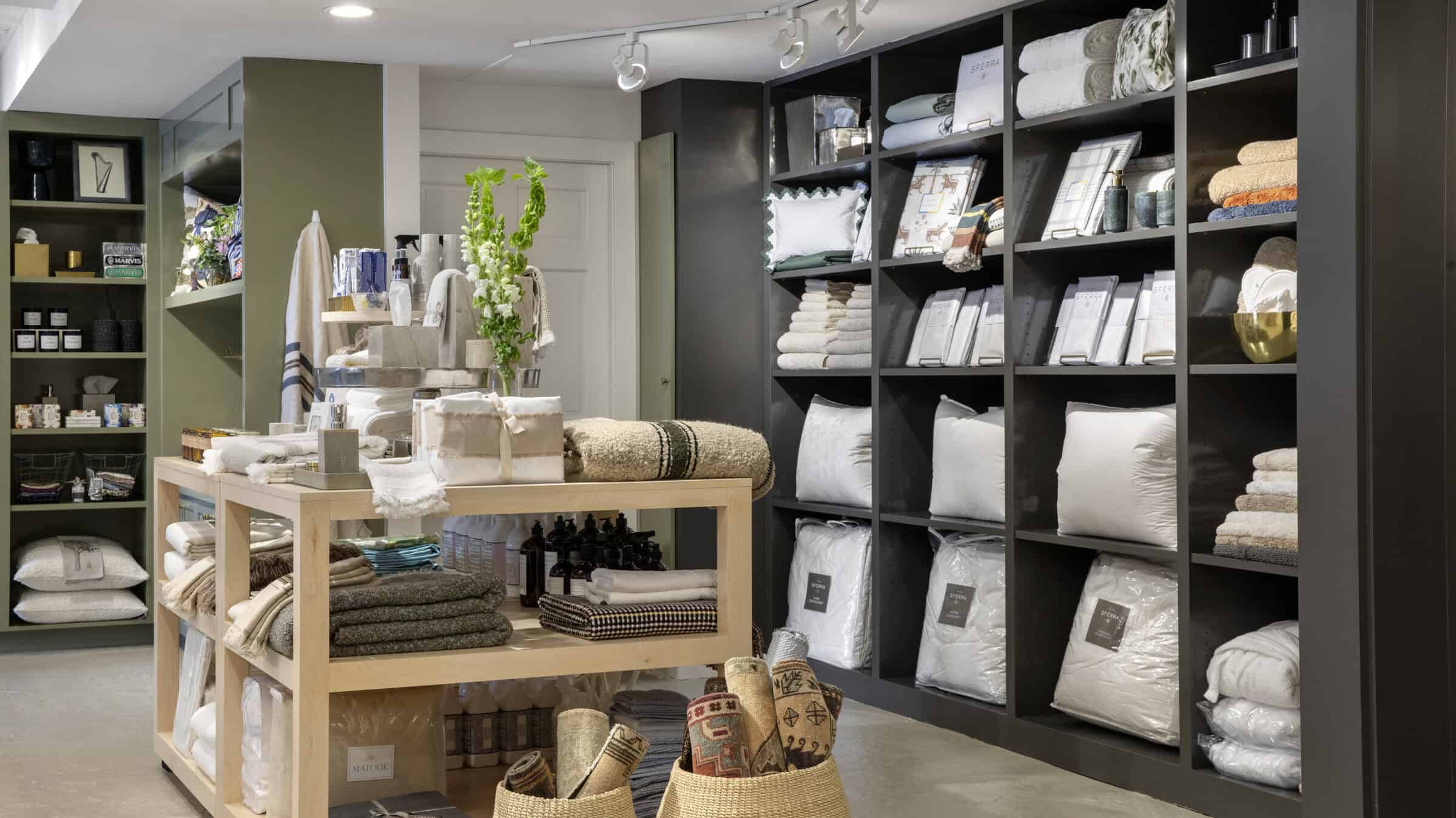
Wellness has staying power. Even when consumers tighten their spending, they continue to carve out room in their budget for products, services and experiences that enhance their well-being. For that reason, both boutique sellers and mass retailers are growing their wellness product categories and giving them permanent, high-visibility displays within their stores.
“Medtail” wellness and medical services are now leading anchor tenants for malls large and small, too. For the first time, service-based retailers out leased goods-based retailers in 2025; a trend largely led by large gyms, fitness studios, med-spas, and wellness experiences.
Workplace
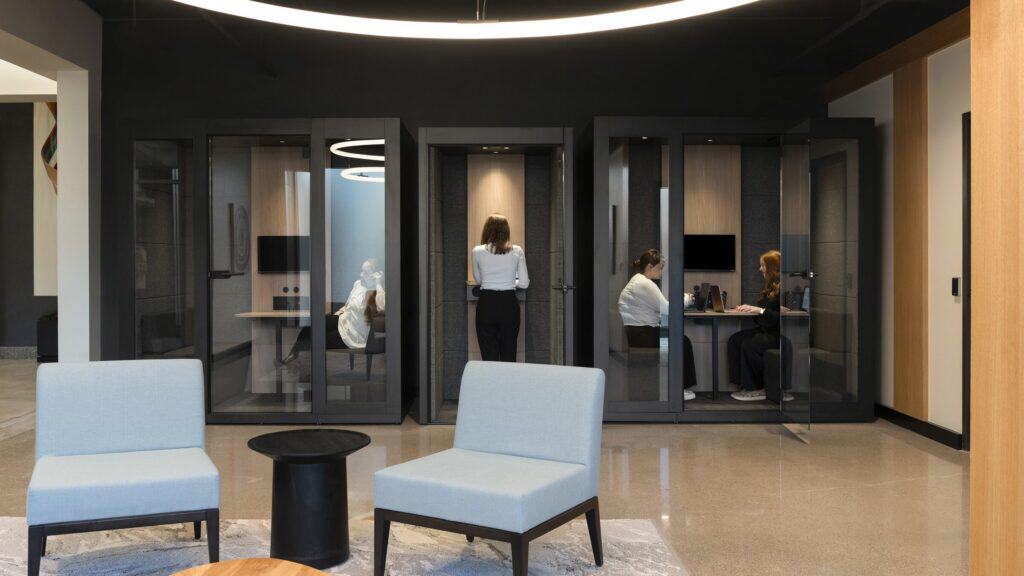
Work environments that promote a holistic state of well-being are shown to reduce stress, boosting creativity and productivity. Within an office setting, this can be achieved with the inclusion of spaces for quiet-focus, private call booths, wellness rooms, and social hubs, or even simply additions of natural light, acoustic comfort, and greenery. For leasing teams, incorporating these elements and amenities into buildings and office towers is just as important to support existing tenants and attract new ones.
Hospitality
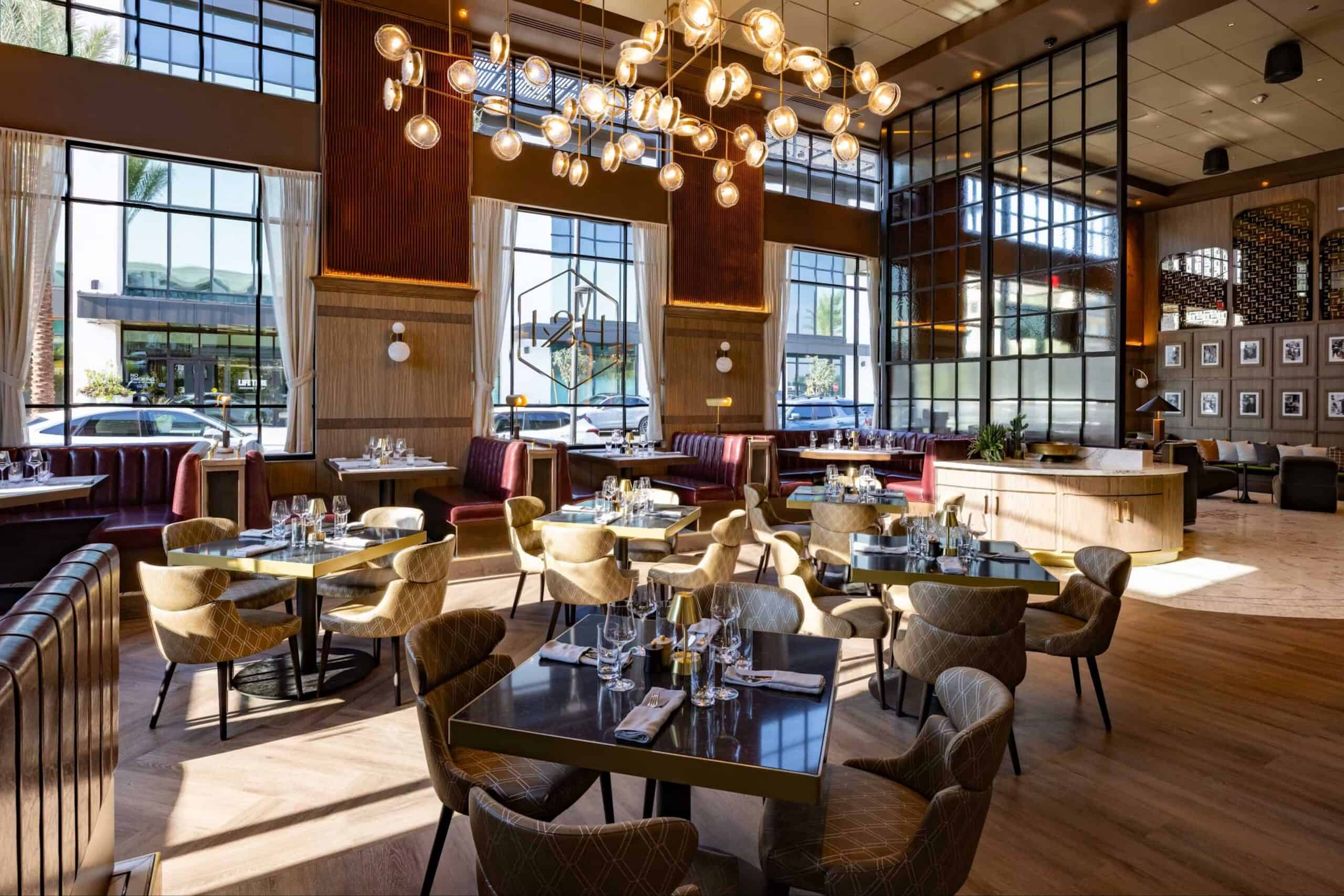
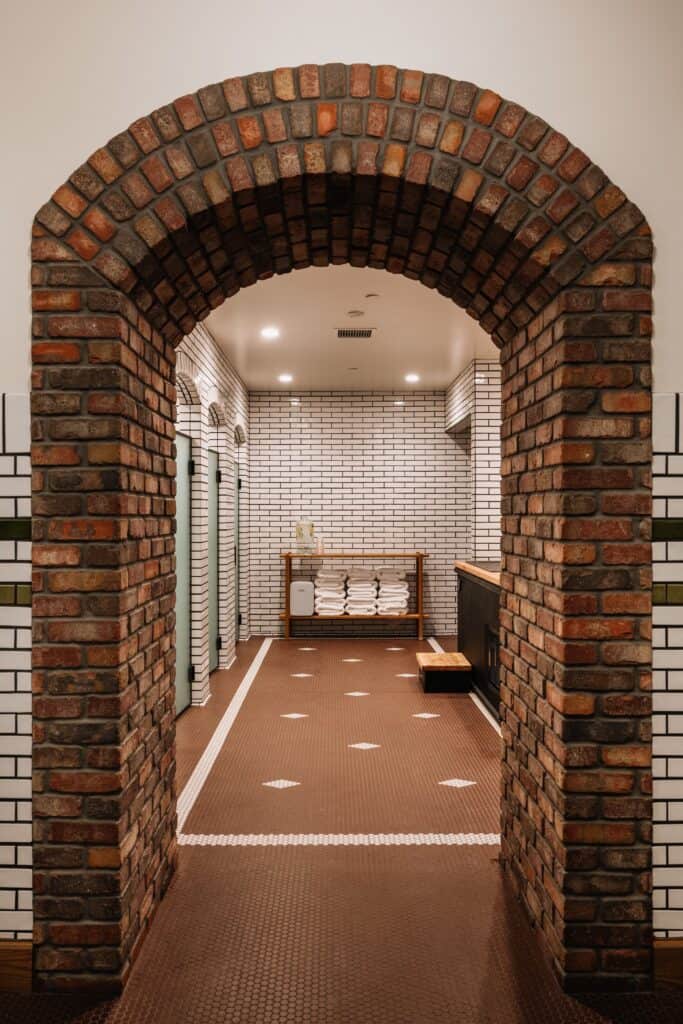
Hotels are increasingly expected to provide more than a room and a restaurant. Guests now look for environments that help them recharge, whether through spa and fitness amenities, sensory calm, restorative lighting, or stronger connections to nature. Hospitality brands are also designing wellness spaces that appeal not only to travelers but to local communities too, an evolution in how amenities drive value.
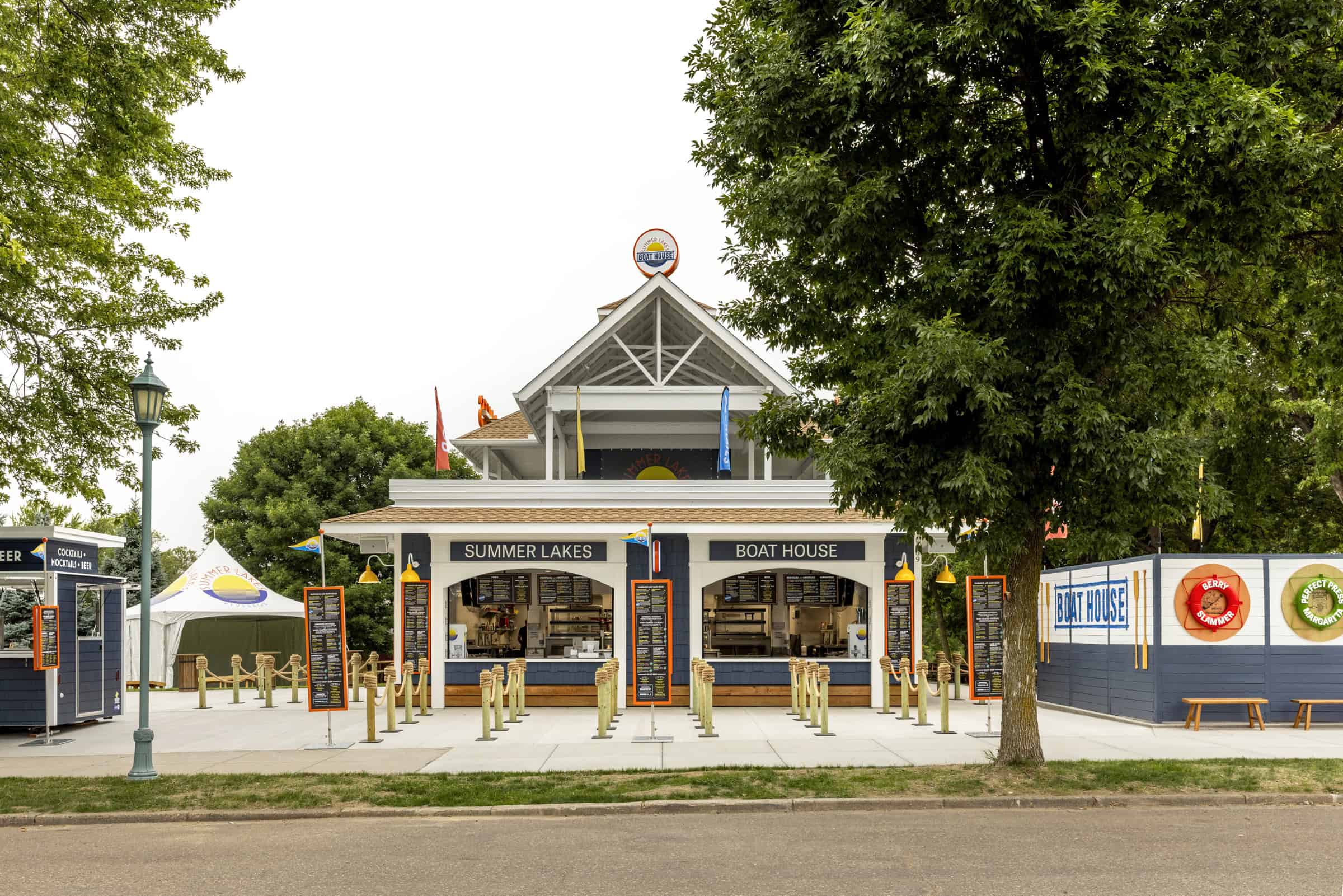
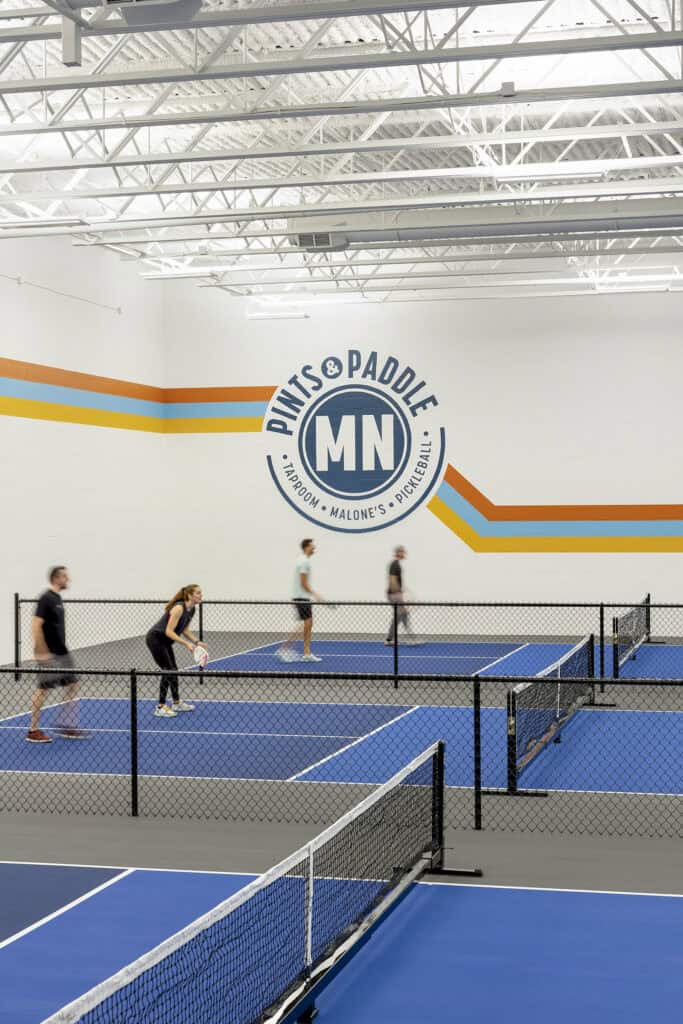
In food and beverage, wellness now extends beyond the menu. It is shaping how restaurants think about flexibility, programming, social ritual, and movement. Spaces that can shift from dining to events, accommodate wellness-oriented activations, or connect guests to outdoor experiences are becoming more relevant as operators look to differentiate through experience rather than menu alone. At Shea, we’ve partnered with owners and operators fully integrating hospitality with social rituals and movement, like Pints & Paddle, LaunchPad Golf, and Chipshot.
Healthcare
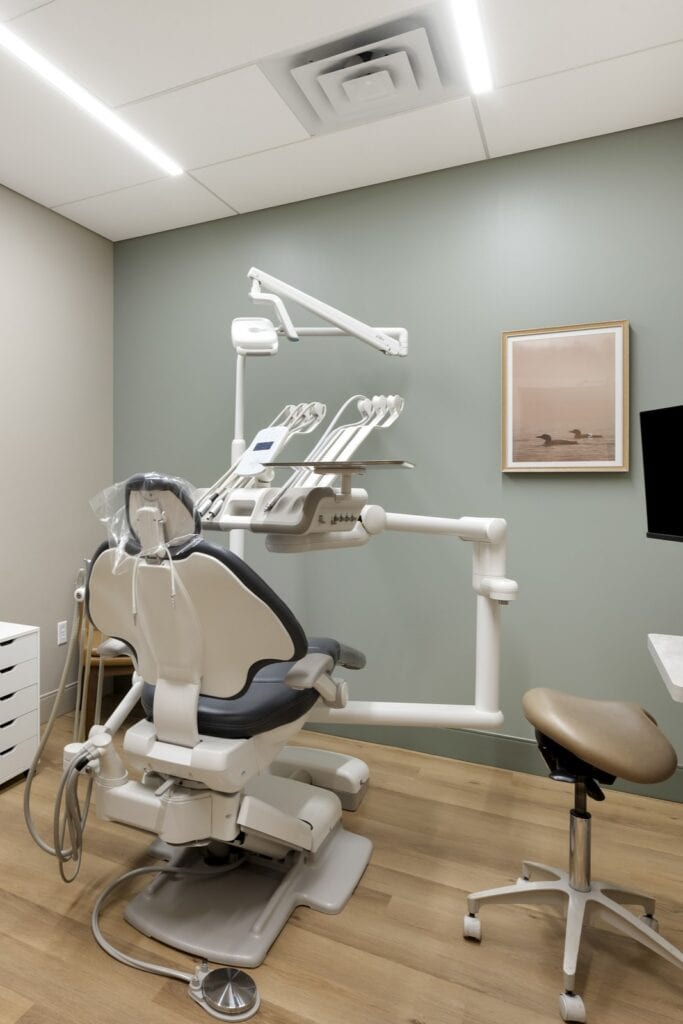
Health and wellness have always gone hand-in-hand, but today the conversation is expanding the pairing as a lifestyle instead of scheduled check-ups. That means designing spaces that reduce stress and create a more reassuring patient experience. For a full breakdown on the shift, check out Shea’s recent insights on the topic in our article: Beyond the checkup: Designing dental clinics as lifestyle + wellness spaces.
Private clubs
Clubs are evolving from single-focus destinations into broader lifestyle environments. Fitness, recovery, social connection, and flexible programming are becoming just as important as legacy amenities. Wellness features in these settings should feel integrated into the overall member experience rather than added as trend-driven extras.
How Shea does wellness
Shea sees wellness not as a niche amenity, but as a design lens: one that influences how space supports comfort, movement, restoration, and overall quality of experience.
Support movement and flexibility. Wellness is often linked to activity, but it also relates to choice. Spaces that allow for multiple modes of use (social, active, quiet, or reflective) are better equipped to meet a wider range of needs throughout the day.
Design for sensory comfort. Wellness begins with the fundamentals of the environment: lighting, acoustics, functionality, and palette. These actively shape how people feel and interact within a space.
Create a connection to nature. Biophilic strategies such as daylight, natural materials, greenery, and access to outdoor space can improve perceived wellbeing and support more restorative experiences.
Reinforce community and belonging. People increasingly value places that foster connection as much as personal wellbeing. Designing for wellness means balancing restoration with social energy and creating environments that welcome both shared experiences and moments of retreat.
Integrating wellness into your space
As wellness continues to influence consumer expectations, design should integrate it in a way that feels relevant, measurable, and enduring. That is where thoughtful design matters most and where Shea sees meaningful opportunity to help clients create places that perform better because they make people feel better.
For organizations bringing wellness into their spaces, the goal is not to apply the same formula across every industry. A hotel, retailer, restaurant, clinic, or club can draw from similar principles, but each should define wellness in a way that reflects its audience, operations, and brand experience. The strongest wellness strategies are specific, practical, and connected to how people use a place. When those decisions are grounded in the concept, wellness becomes less of an added feature and more of a meaningful part of the overall experience.