September 24, 2026
How concept planning and branding, thoughtful hospitality, and optimized operations turn venues of any size into entertainment destinations.
Sound is one of the most important design considerations for any entertainment venue, that’s a given. However, live entertainment is more than what happens on stage. A memorable venue experience starts with arrival and continues beyond the encore, with cohesive design tailored to support the performance, the audience, and the operator’s brand.
No two venues are the same, with size and desired experience playing big factors. An intimate space might want close performer-to-audience connection and compact service points. A mid-sized venue may need flexible seating, secondary bars, and clear transitions between dining, standing, and performance areas. A large venue or amphitheater can require layered circulation, premium upgrades, merchandising, and multiple support amenities that keep guests comfortable without pulling attention away from the show. Determining what’s needed starts with defining the main draw and building a brand.
The Headliner
Define the Concept and Brand
Successful entertainment venues start with a focused concept: what is the main draw? If the draw is hosting large touring acts, the design and supporting spaces will look very different than a restaurant-first venue with an intimate stage for local artists.
Nailing the concept determines the guest journey, the operational backbone, the floor plan, and the amenities that belong around the main event. A small venue can feel immersive and complete when the takeaway is clear. A large venue can feel fragmented when the main draw is undefined. Size matters, but clarity matters more.
Then, brand comes into play. Although branding is still important for large venues, scale speaks. Amphitheaters and arenas are more likely to be known just by size alone, and there’s usually less competition in their market. For the small to mid-size venues and event centers, however, brand identity can make a big impact.
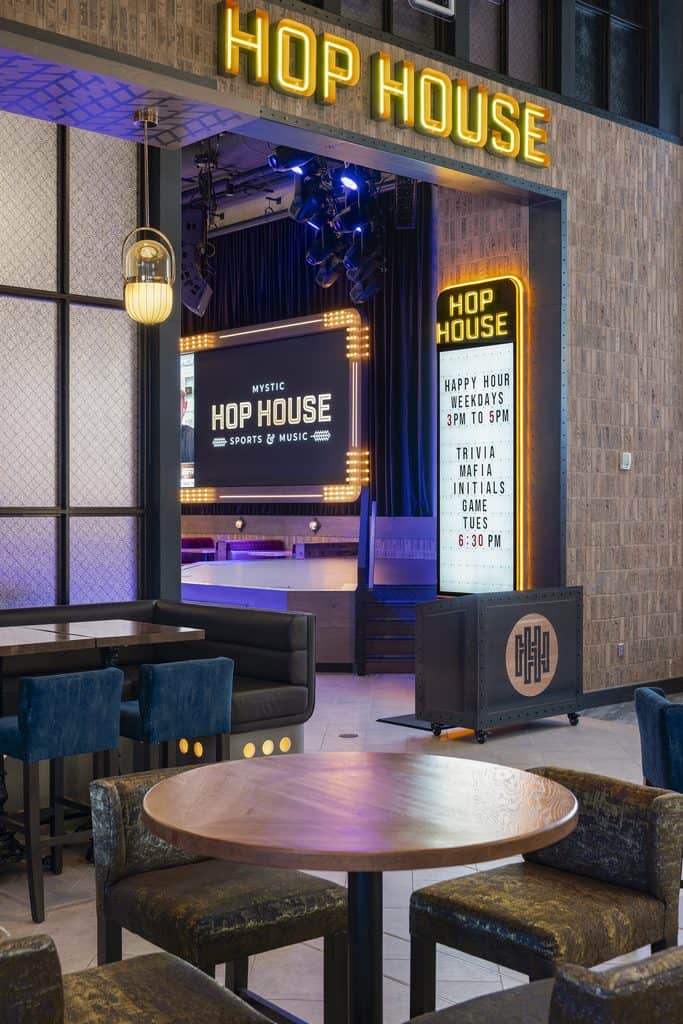
Having a strong brand threaded throughout a venue can help set it apart from others of similar size in their market and add recognition. Building off of the name, signage, and guest touchpoints, the identity can be enhanced with details like a unique marquee with the names of the night’s performers, or a mural on the inside or outside of the building, or even a fun bathroom design for mirror selfies – details that add to the entertainment experience, and are likely to be captured in photos, building an association with that venue.
The Audience
Plan for Flexibility
Every performance attracts its own unique audience, so venues need to be strategic in their initial planning and design to support each show and changing needs. One night might offer music drawing a lively crowd looking for a dance floor, while the next night requires additional seating for a comedy show. Venues can be tailored for casual all-ages events, adult or college crowds, and premium guests through adjustable seating, service points, access zones, and amenities that align with each audience’s expectations.
Flexible stage positioning, seating, and temporary divisions can also shape large, open floor pits into smaller, more intimate settings when attendance or the performance calls for it, while preserving the ability to open the full space for acts that draw larger crowds.
With movable furniture and reconfigurable floorplans comes the need for storage, a feature that should be thoughtfully planned from the start to make each transformation and transition efficient. Having that built-in flexibility helps the venue support each performance, serve its audience comfortably, and create an experience that feels intentional at any scale.
Supporting Acts
Integrate Amenities
With the headliner in place and an understanding of their audience, you can fill in the line-up with relevant supporting acts – or in this case, supporting amenities and features.
Food vendors, bars, lounges, suites, VIP areas, kids’ zones, and supporting amenities shape a guest’s complete entertainment experience. And any necessary signage, queueing, ticketing, and security all communicate the brand before guests reach the stage.
From there, circulation should feel intuitive: guests should know where to get a drink or buy merch, where to meet friends, how to find restrooms, how to access premium areas, and how to return to the entertainment without friction.
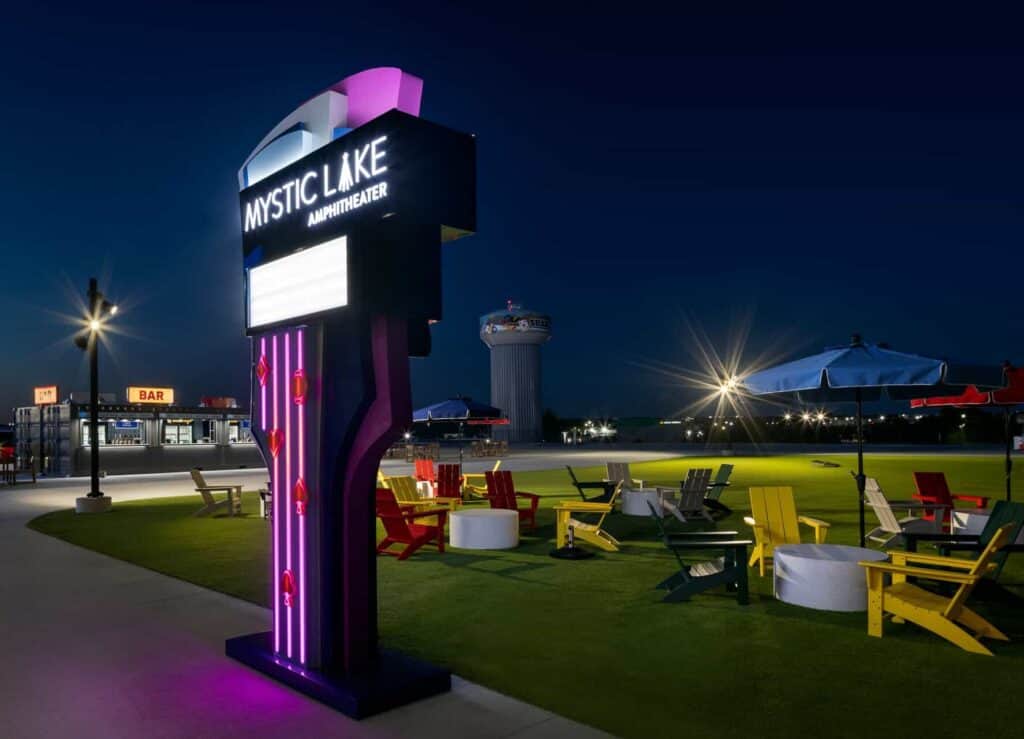
Smaller spaces benefit from concentrated energy and fewer decision points. Larger venues require layered paths, distributed service, and clear zoning so crowds can spread out naturally. In both cases, the goal is the same: make the venue feel easy to navigate while keeping the performance at the center of the experience.
Setting the Stage
Optimize Operations
Well-integrated hospitality also supports operations. Secondary bars reduce pressure on primary service points. Premium areas can create upgrade opportunities while preserving the energy of the shared event. Food and beverage can extend the experience before and after the show. Lounges and suites can serve sponsors, corporate groups, families, or fans looking for comfort without disconnecting from the main attraction.
Guests may never see the storage rooms, production areas, load-in paths, staff circulation, or performer support spaces, but they feel the impact when those pieces are missing. A venue that is difficult to service is difficult to operate. Poorly planned back-of-house areas can create bottlenecks, slow changeovers, crowd conflicts, and compromised hospitality.
Shea’s Lineup
Our Design Experience
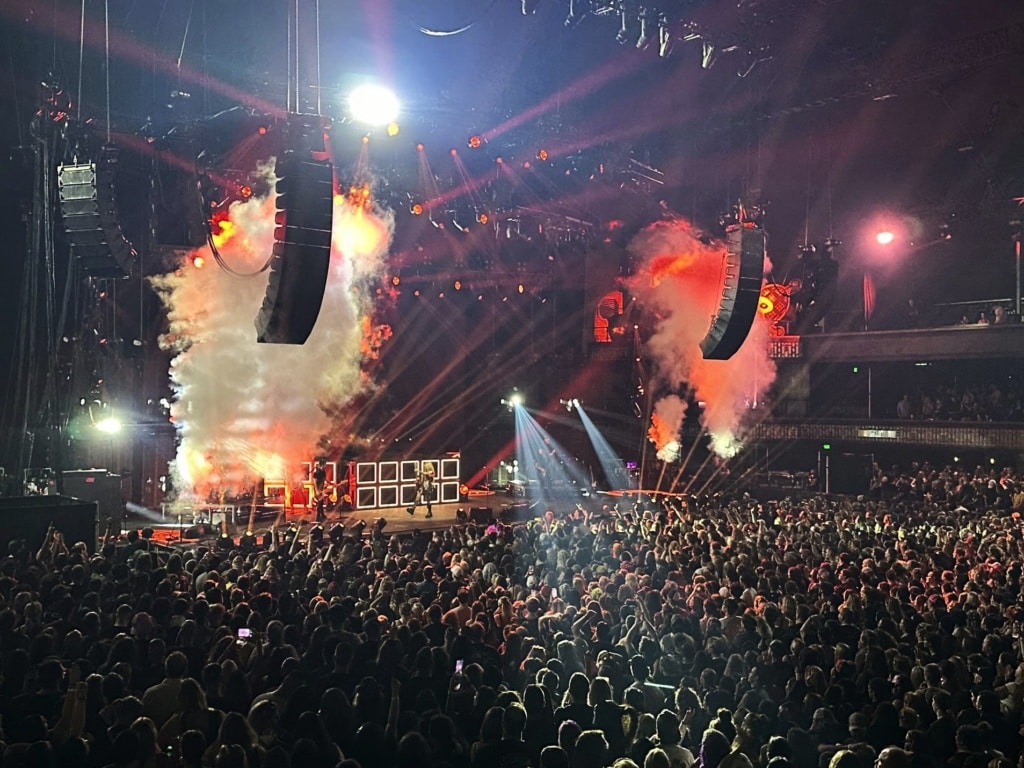
Shea’s design highlights illustrate the range of scales that live entertainment can truly cover. Our projects have ranged from small restaurants looking to incorporate a stage into space, up to what is now Minnesota’s largest outdoor amphitheater.
Animales
At Animales, Midwest barbeque is the main draw with “something always happening” on their live entertainment stage. With an all-ages audience, the restaurant also features a whole play area for kids so they can have their own fun while parents enjoy the performance.
Hop House
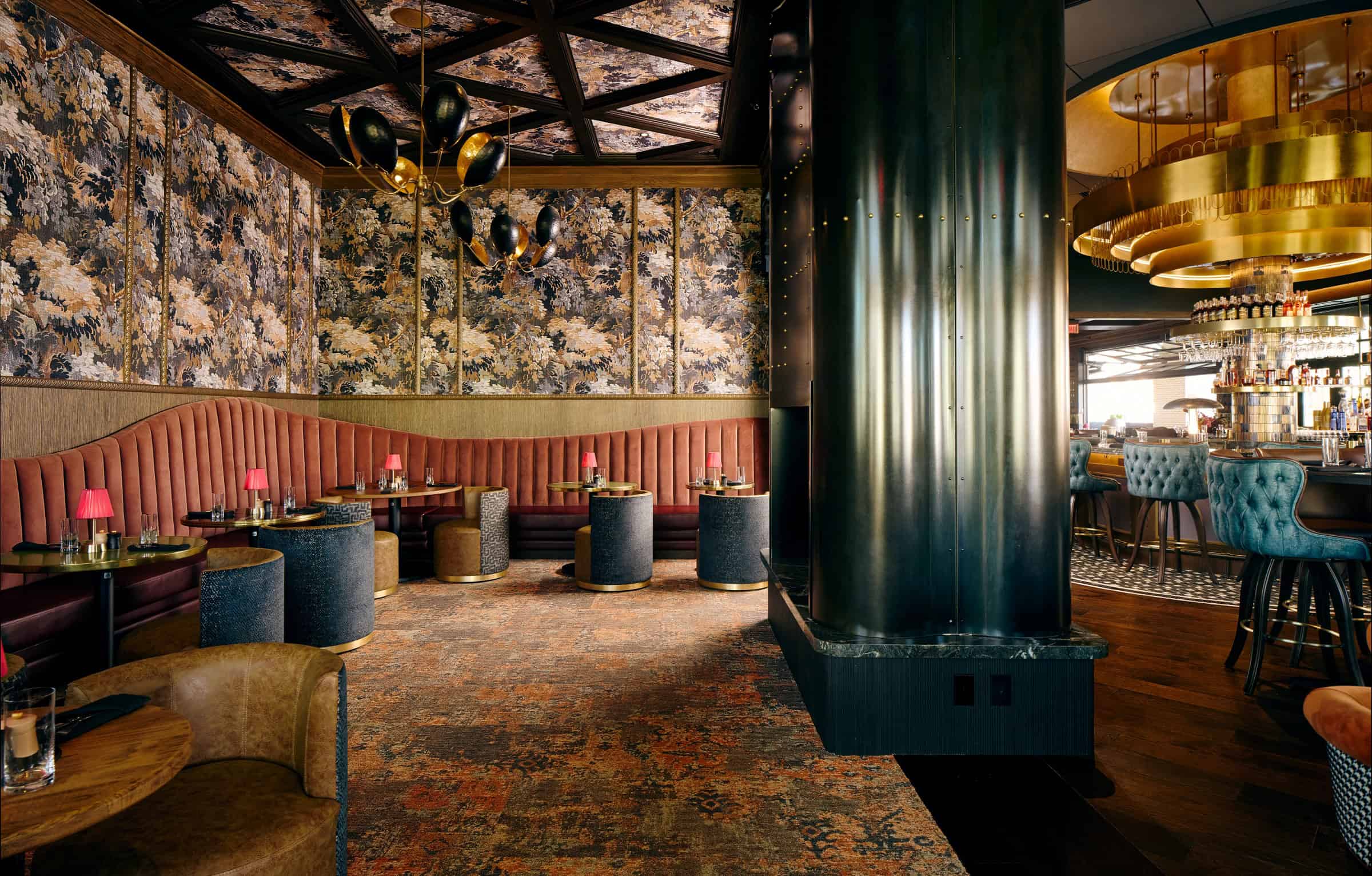
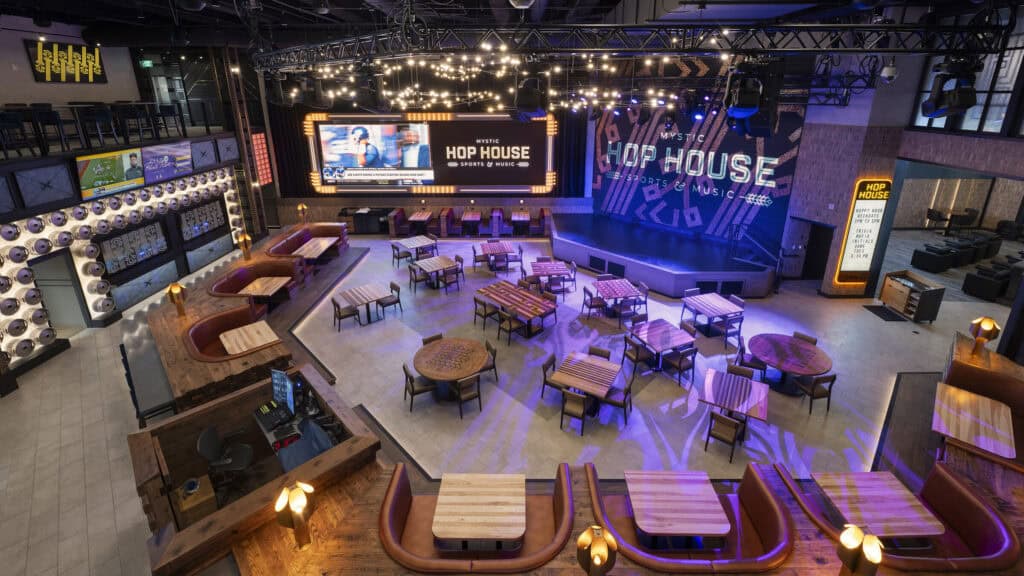
Hop House balances live entertainment with a full-service restaurant and sports viewing. All three experiences play off each other to create an entertainment destination, with the amenities to support it. VIP nooks offer premium opportunities, a mezzanine adds additional viewpoints, supporting bars keep guests in proximity of the stage, and multiple TVs across the restaurant make it so they don’t have to choose between live music and live sports.
Summer Lakes Boat House
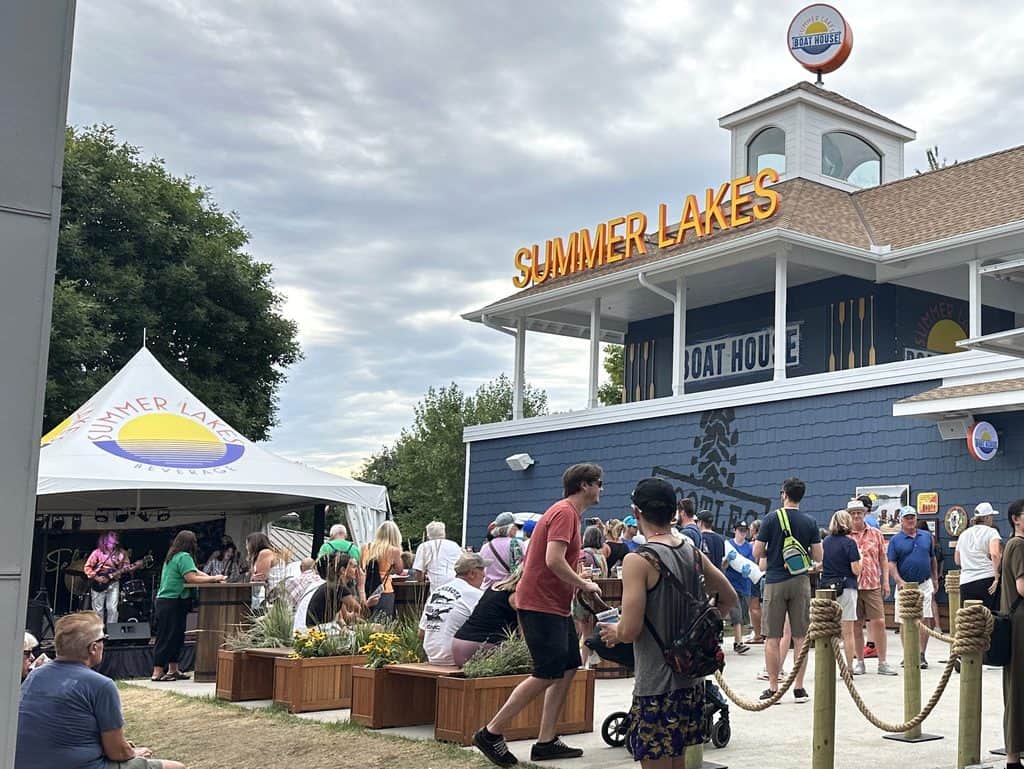
Summer Lakes Boat House hosts live music on site, elevating the experience and inviting guests to stick around and try more than one of their crafted cocktail mixes or new foods. Picnic tables, drink ledges, standing room, and high-tops were designed around the stage area creating layers for guests to enjoy the entertainment and lakeside-inspired atmosphere with drinks in hand.
The Armory
From civic events to being the part-time home of the Minneapolis Lakers and a backdrop to a couple 80s and 90s music videos, Minneapolis’ Armory has had a storied history since its 1936 opening. After years sitting vacant, Shea partnered with new owners to repurpose the iconic, former armory in disrepair into The Armory – a high-energy, live music destination. The brand and experience build off the site’s historic roots, with features and premium amenities designed to support live performances as the main event.
Mystic Lake Amphitheater
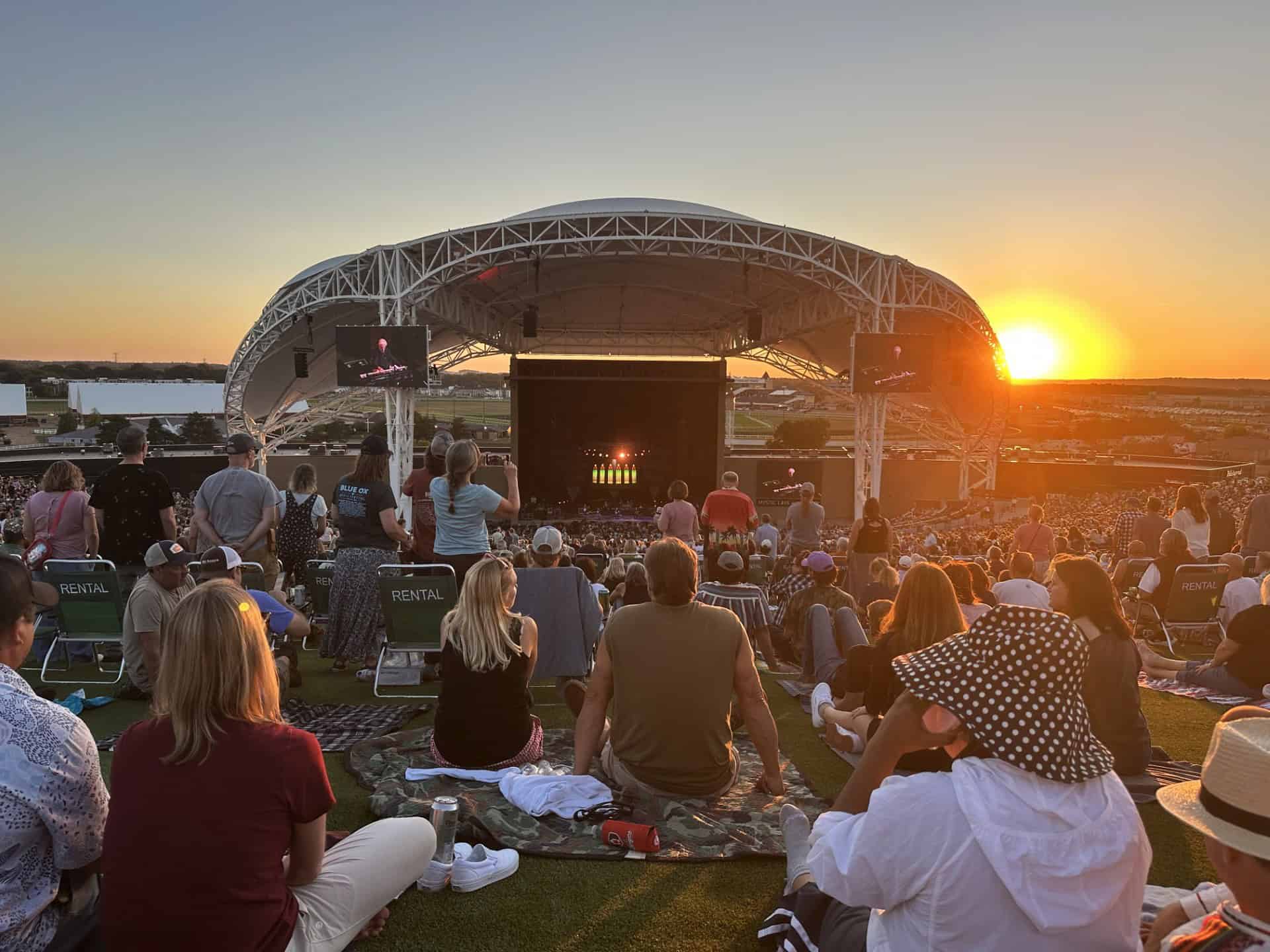
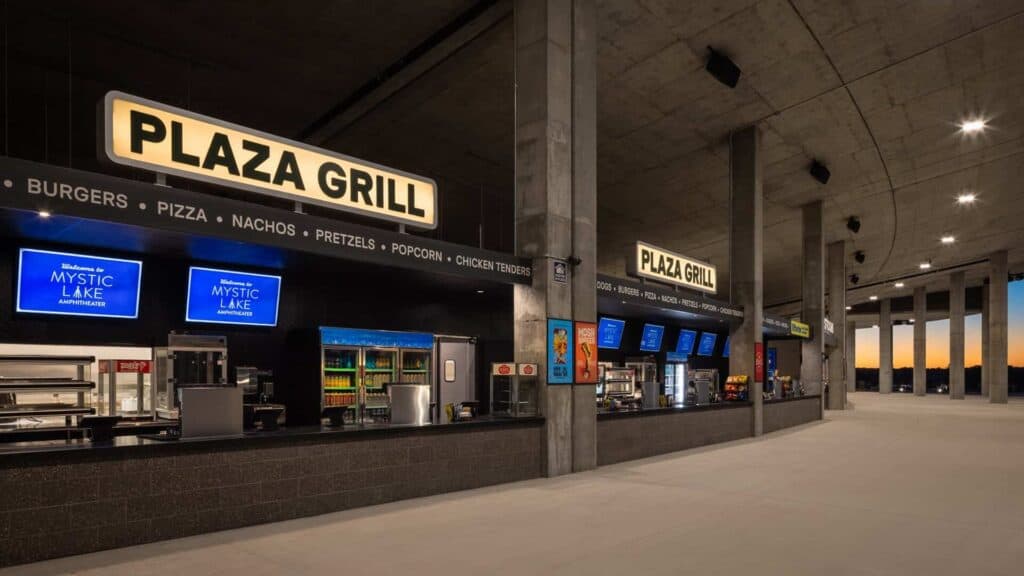
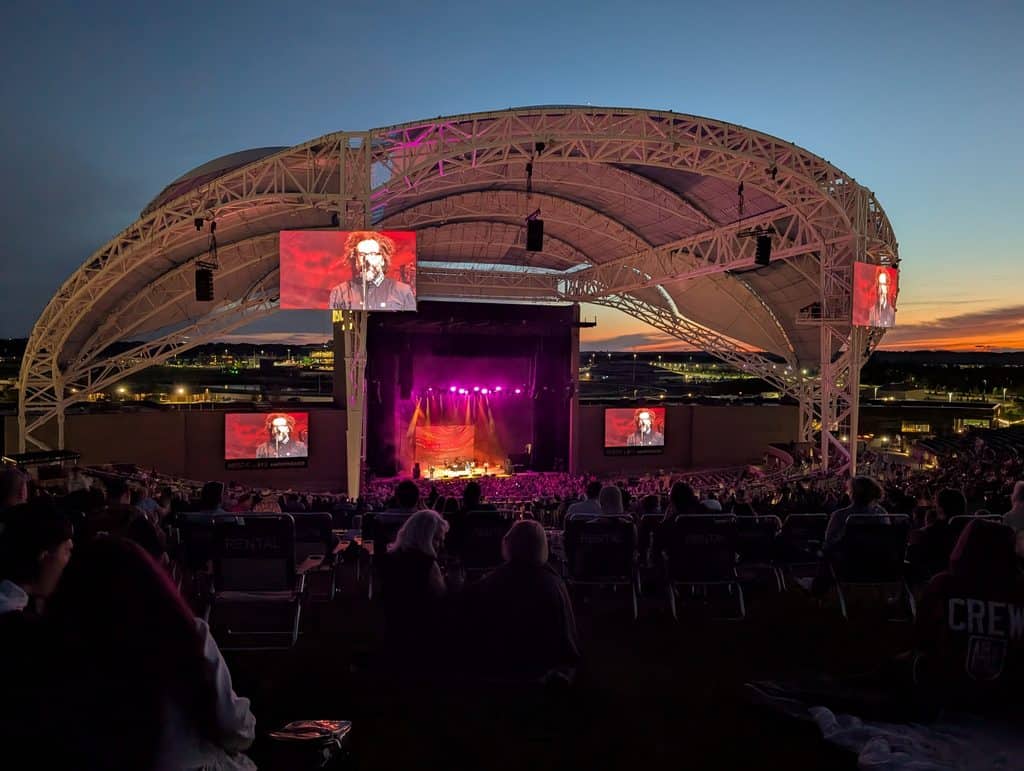
Mystic Lake Amphitheater introduced outdoor performances to Minnesota at the state’s largest scale yet, with a venue that holds an audience up to 19,000 people. Tiered, bowl seating features a covered pit, premium lounges, boxed suites, and general lawn space, supported by multiple bars, food vendors, merchandise stands and more to offer efficient service to all guests. The Amphitheater also takes advantage of its setting to offer outdoor experiences including beer lawns, a plaza with food trucks, lawn games, and picnic-style tables and seating so guests can hang out before the show. Venue ownership recently shared that first-year sales have already been higher than predicted.
Each project had a different focus and was tailored to enhance its unique concept and brand, but all were completed intentionally and operationally ready with changing audiences in mind.
Encore
Designing live entertainment venues of varied sizes and focuses is ultimately about orchestrating experience. The performance may be the reason guests arrive, but the surrounding hospitality, amenities, sound, service, arrival, and brand details determine whether they stay, return, and remember the show. Done well, every venue – large or small – can deliver a headliner experience.